

We lock everything in our lives: cars, homes, offices, even phones. But do you use the luggage locks on your suitcase when you travel? There are actually a number of times when locking your bags is important–and not only before checking them in.
From electronics, to jewelry, to clothing, the value of what we pack adds up. Studies show that TSA accepts only about 1/3 of claims made. In other words, if you suffer a loss, you're not likely to recover it.
You can put a lock on your luggage if the zippers are designed for an external lock. But a much better and safer choice is luggage that comes with TSA-approved luggage locks built in.
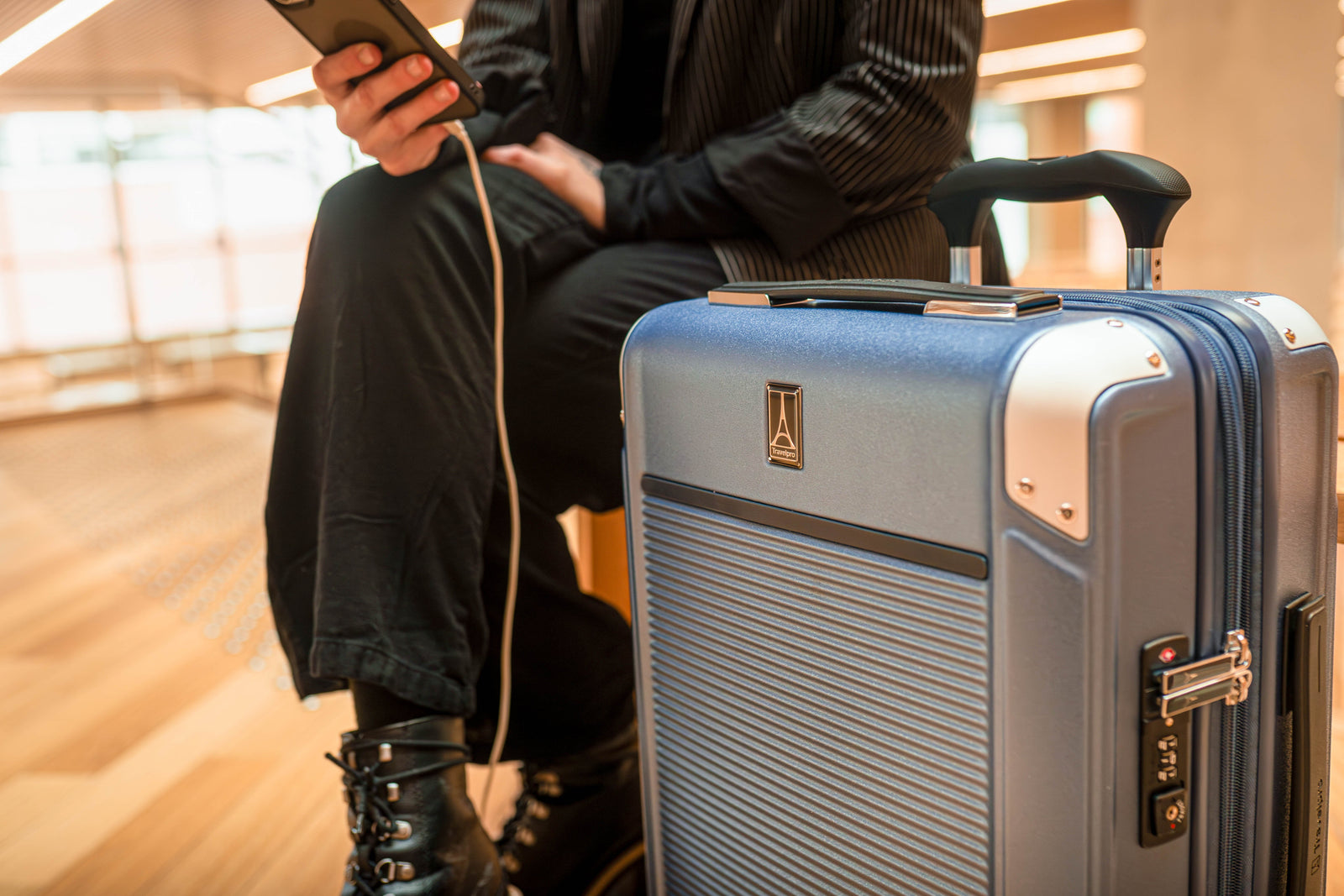
Travelpro offers integrated TSA-approved locks in most luggage collections, including the Platinum® Elite, VersaPack®+, and Maxlite® brands.
When You Should Lock Your Luggage
There is no question whether you should lock your luggage. It’s what type of lock you use and when you should be sure your luggage is locked.
The purpose of locking your bags isn’t only to protect your checked luggage when it is out of your possession. In fact, there are many more times when using a lock to secure your carry-on and checked bags is important.
Lock Your Luggage Before You Check In
Of course, one of the most important times to lock your luggage is before it leaves your hands at baggage check. Program your combination code before you pack, then lock up before you check it in, knowing it’s secured.
Lock Your Luggage on Domestic and International Flights
Your luggage lock isn’t just for traveling between cities in the US. While not every country has similar access to TSA approved locks, most do. There is no need to stress about luggage security when crossing the ocean.
Lock Your Luggage When Leaving it at the Hotel
Often our flight schedules and hotel check-in or out times don’t line up. When you have to leave your bags for the hotel to hold, locked locks help ensure that what you packed stays where it belongs.
Lock Your Luggage at a Hostel or Air BnB
Hostels and shared Air BnB’s can have a lot of guests coming and going. Making sure that your luggage is locked will give you peace of mind when you are out exploring.
Lock Your Luggage When Transporting on a Shuttle Bus
Many buses have designated luggage storage areas. On a crowded bus, your seat may not have a clear line of sight to your bags. Lock up before you board, so you can just relax and enjoy the ride.
Stick with TSA Approved Locks
When locking your luggage, it’s important to only use TSA approved locks. Otherwise, don't be surprised when the lock is gone upon arrival, and there's a note inside your bag informing you that your lock was cut off by airport security agents for inspection.
TSA agents have a master key to open TSA-approved locks, including multiple-digit combination locks. If they’re unable to open your bag’s lock with their master key, they will end up cutting the lock to gain access to your bag. Only use TSA-approved locks to avoid this happening.
International Travel and Luggage Locks
If you travel outside the United States, you may wonder, "Can I lock my luggage on an international flight?" It's a great question because TSA is a U.S. thing, right? Actually, TSA-approved locks are recognized worldwide. If there is a red diamond (the Travel Sentry logo) on your lock, you know it is TSA-approved and recognized outside the U.S.
Keep What’s Yours, Yours
Airports are high-traffic zones, and your bag sees a lot of action, from check-in counters to baggage carousels. A TSA approved luggage lock keeps prying hands out and your belongings exactly where they should be. Premium luggage, like the Platinum® Elite Collection, features built-in TSA-approved locks on both hardshell bags and soft-sided suitcases, so you can pack your tech with confidence and carry your work and leisure essentials worry-free.
Less Stress from Check-In to Arrival
Ever wondered if you can lock your luggage on a domestic flight? The answer is yes, absolutely. You can and you should lock your luggage on domestic and international flights. It’s one of the smartest, easiest ways to add peace of mind to your trip. TSA locks are designed to be opened and relocked by security without damage, securing your luggage and what’s in it while staying compliant with airport screening rules. It’s a small step that makes a big difference.
Prevent Spillage
Bags take a beating in transit. They get tossed onto conveyors, stacked in cargo holds, and shoved into overhead bins. A lock helps keep the bag closed and contents secure, preventing accidental openings that can lead to lost items or unexpected delays.
Stop Surprise Openings
Your bag gets tossed, stacked, rolled, and rattled from the moment you drop it off. A lock keeps your zippers closed and your contents where they belong — even when things get bumpy. For lightweight bags like the Maxlite® 5 or expandable options like VersaPack™, it’s an easy way to avoid spills and mid-trip repacking.
Common Questions About Luggage Locks
Can TSA Cut My Lock?
TSA or any airport security can cut your lock if it isn’t TSA-approved and they need to inspect your luggage. Look for a red diamond logo indicating the lock is TSA approved. If it is, authorities can unlock it and open your bag without damaging the lock using master keys. Not sure how to set up your combination lock? Our luggage lock reset guide walks you through it.
What If My Lock Goes Missing?
Luggage locks that are not built in run the risk of getting knocked off during handling. Buying luggage with the lock integrated into the body of the bag eliminates this risk. If you use a small padlock or other external luggage lock and TSA removes or cuts your lock to inspect your bags, they’re required to leave a notice inside the luggage. And yes, they have the right to remove your lock if it’s not TSA approved.
Are Smart Locks Worth It?
Smart locks offer features like fingerprint access or Bluetooth control, but many aren’t TSA-compliant, which becomes an avoidable hassle, especially for checked bags if they include prohibited batteries that power the smart tech. Whether you are travelling internationally or flying within the United States, your best bet is to use a TSA-approved luggage lock that’s built for air travel and backed by security standards.
How Do TSA Locks Work?
TSA-approved locks are usually integrated into the side of the luggage and can be set with your own combination. Then, if your bag needs inspecting, the TSA agent can quickly open your lock, inspect the contents of your bag, and relock it before sending it on its way undamaged.
For bags without an integrated lock, a padlock style lock can be clipped onto the zippers in order to fully secure your luggage. Many of these are still TSA approved, and can be opened with the TSA luggage lock master key.